lewd manhwa has captivated a niche audience worldwide, blending visual storytelling with mature themes that push the boundaries of conventional manga and comic genres. Widely recognized for their explicit content, these works have become a significant part of adult entertainment in the digital age, offering a mix of fantasy, taboo, and provocative narratives. As the genre's popularity rises, it also sparks debates over its artistic merit, societal impact, and ethical considerations. This article delves into the multifaceted world of lewd manhwa, exploring its appeal, controversies, thematic elements, and future.
Lewd manhwa is more than just an erotic genre; it represents a complex intersection of art, sexuality, culture, and ethics. Understanding this genre requires examining its core attractions, the debates it ignites, and its evolving landscape amid legal, societal, and technological influences.
Lewd Manhwa: Navigating the Genre and Its Content
Lewd manhwa, as a subgenre of Korean comics, typically features explicit scenes emphasizing sexual relationships, fantasies, and sometimes taboo themes. Navigating this genre involves recognizing its diverse offerings—from soft-core erotic stories to graphic, unfiltered depictions of intimacy. Fans often seek out niche titles that cater to specific fetishes or scenarios, highlighting the genre’s wide spectrum. As a cultural product, lewd manhwa often balances artistic style with sensational content, making it both a form of entertainment and a reflection of certain societal desires or taboos.
However, navigating lewd manhwa is not without challenges. Content restrictions vary widely across regions, impacting accessibility and distribution. Additionally, some works border on or explicitly depict non-consensual acts or unethical behavior, raising questions about responsibility and morality. It is critical for consumers to differentiate between art and real-world ethics, while creators must consider the impact of their depictions on audiences and societal norms. Overall, understanding the boundaries and context of lewd manhwa helps fans appreciate its artistic nuances without endorsing harmful portrayals.
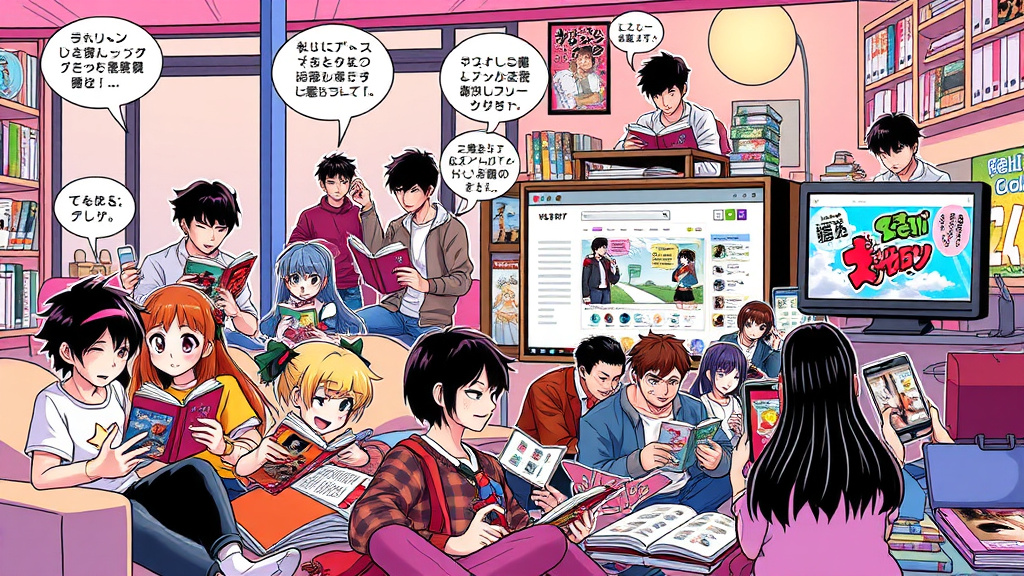 Hình minh họa: lewd manhwa – one piece manga online free reddit
Exploring the Appeal and Controversy of Lewd Manhwa
The appeal of lewd manhwa lies largely in its ability to combine visual appeal with fantasies that might be difficult to explore in real life. The genre provides a safe space for escapism, allowing viewers to indulge in scenarios that challenge societal norms or tap into secret desires. The artistry involved—detailed characters, expressive faces, and dynamic scenes—enhances the immersive experience, making it a compelling genre for adults seeking both stimulation and storytelling.
Despite its popularity, lewd manhwa sparks significant controversy. Critics argue that some titles perpetuate harmful stereotypes, non-consensual acts, or commodify sexuality in ways that could influence impressionable audiences negatively. There is also ongoing debate about how these works influence societal standards of sexuality and gender. While some view lewd manhwa as harmless entertainment or a form of artistic expression, others warn of its potential to normalize eroticization of taboo or abusive behaviors. As this genre continues to grow, addressing its societal impact remains a crucial conversation.

A Critical Look at the Themes and Tropes in Lewd Manhwa
Lewd manhwa often explores recurring themes and tropes that resonate with its audience’s fantasies and anxieties. Common themes include power dynamics, forbidden relationships, role reversals, and taboo scenarios—each serving as a storytelling device that amplifies the provocative nature of the genre. Tropes like “proud alpha males,” “innocent female leads,” or “revenge fantasies” animate many titles, though they sometimes reduce complex characters to stereotypes. Critically analyzing these elements reveals both creative possibilities and potential pitfalls in how sexuality is portrayed and reinforced within the genre.
Moreover, the tropes employed can reflect societal attitudes toward gender and power—either challenging or reinforcing stereotypes. For instance, some lewd manhwa subvert traditional gender roles, depicting empowered female characters or consent-focused scenarios. Conversely, others disproportionately depict aggressive male pursuits or victimization, raising ethical concerns. As the genre evolves, writers and artists are increasingly questioned about the messages embedded within their work. Critical engagement helps audiences discern between entertainment and problematic representations, fostering a more aware consumption of lewd manhwa.
Lewd Manhwa and Its Impact on Reader Perceptions of Sexuality
One of the most controversial aspects of lewd manhwa is its potential influence on how readers perceive sexuality. For some, these works serve as an introduction to adult themes, offering a safe space for sexual exploration and normalization. Others argue that frequent exposure to exaggerated or unrealistic depictions could distort expectations about consent, body image, or relationship dynamics. The genre’s explicit nature ensures it stays provocative, but it also raises questions about its role in shaping young or impressionable minds.
Additionally, there is concern over the genre’s potential to foster unhealthy attitudes toward sex—such as objectification or non-consensual acts—especially when certain titles depict exploitative scenarios as desirable. Conversely, proponents suggest that lewd manhwa can promote sexual liberation and open conversations about taboos, if approached critically. Ultimately, the impact varies depending on individual perceptions, parental guidance, and societal attitudes. Educational efforts and responsible content creation can mitigate potential negative influences, fostering healthier understandings of sexuality among fans.
Ethical Considerations in the Consumption and Creation of Lewd Manhwa
Ethical considerations are paramount when discussing lewd manhwa, both in creation and consumption. Artists and publishers face dilemmas about depicting consent, exploitation, and taboo subjects responsibly. Pushing boundaries in art should not come at the expense of ethics, yet the provocative nature of lewd manhwa often challenges such boundaries. Many creators grapple with the line between artistic freedom and societal responsibility, especially when fans demand more extreme or taboo content.
Consumers, meanwhile, must navigate their engagement with lewd manhwa thoughtfully. Supporting works that depict consensual, respectful scenarios versus those that normalize non-consensual or abusive acts is a key aspect of ethical consumption. The proliferation of illegal or unregulated content also complicates the landscape, highlighting the importance of promoting legal and ethically produced material. As the genre develops, fostering ethical standards and responsible storytelling will be vital in ensuring it remains a form of entertainment that does not harm individuals or societal values.
The Evolution of Lewd Manhwa - Trends and Future Directions
The evolution of lewd manhwa reflects broader social, technological, and artistic trends. In recent years, the genre has branched out with more diverse themes, including LGBTQ+ relationships, romantic narratives, and fantasy settings, challenging the stereotype of purely voyeuristic content. Digital platforms and web-based publishing have democratized access, enabling independent artists to find audiences without traditional gatekeepers. This democratization fosters innovation while also raising concerns about censorship and the quality of content.
Looking forward, the future of lewd manhwa seems poised for further diversification and refinement. Trends such as ethical storytelling, higher artistic standards, and increased representation suggest a nuanced approach that balances eroticism with social responsibility. Technology could also enhance the genre through virtual reality or AI-generated art, creating more immersive experiences. However, ongoing legal and societal debates will influence the boundaries within which artists operate. The genre’s ability to adapt responsibly will determine its sustainability and cultural relevance in the coming decades.
Lewd Manhwa vs. Other Genres - A Comparative Analysis
Comparing lewd manhwa to other adult or erotic genres reveals both unique characteristics and shared challenges. Unlike Western erotic comics or hentai, Korean lewd manhwa benefits from a rich cultural context rooted in Korean society and manga-inspired artistry. Its storytelling often combines the visual seduction with complex plots, unlike purely image-based adult content. When compared to softcore or romantic comics, lewd manhwa leans more into explicit scenarios, with a focus on fantasy fulfillment.
However, the genre faces similar issues of exploitation, ethical limits, and societal influence as other adult media. It also contends with legal boundaries—especially concerning content that involves minors or non-consensual acts—which are hotspots for controversy worldwide. Understanding these distinctions helps fans appreciate the unique appeal of lewd manhwa while remaining critically aware of its differences from other genres, fostering a more discerning consumption backed by cultural and ethical awareness.
Legal and Regulatory Frameworks Surrounding Lewd Manhwa
Legal and regulatory frameworks significantly influence the production, distribution, and consumption of lewd manhwa. Many countries impose strict laws against depicting minors or non-consensual acts, leading to censorship, bans, or the removal of illegal content. South Korea itself has enacted legislation aimed at curbing illegal adult content, including the banning of certain themes and the regulation of webtoons. These laws attempt to balance freedom of expression with societal protections, but they often face criticism for potentially stifling artistic freedom or fostering underground markets.
Moreover, international differences in legal standards complicate the global circulation of lewd manhwa. While some countries adopt liberal approaches, others enforce stringent measures that restrict access to certain titles or themes. The rise of digital distribution platforms adds another layer to enforcement, making it easier to regulate content but also easier to evade restrictions. Ensuring compliance and promoting ethically responsible content requires ongoing dialogue between creators, regulators, and consumers to establish clear guidelines that respect artistic expression while safeguarding societal norms.
Audience Demographics and Consumption Patterns of Lewd Manhwa
The audience for lewd manhwa is diverse, spanning various age groups, genders, and cultural backgrounds. Predominantly consumed by adults seeking erotic entertainment, studies and surveys suggest a significant portion of readers are male, although increasing female readership is notable due to evolving content diversity. The rise of online platforms has made access easier, resulting in varied consumption patterns—from casual browsing to dedicated fans engaging in detailed discussion forums and fan translations. These patterns reveal the genre’s adaptability to digital culture, emphasizing anonymity and community-building.
Understanding audience demographics helps creators tailor content ethically and responsibly, catering to specific tastes without reinforcing harmful stereotypes. It also underscores the importance of providing age-appropriate filters and content warnings to prevent exposure to minors or sensitive audiences. As global awareness of diverse sexuality continues to grow, the genre may see expanded representation and nuanced storytelling, attracting a broader and more inclusive readership. Monitoring consumption patterns enables stakeholders to promote healthier engagement while respecting personal preferences.
Finding Quality Lewd Manhwa - Recommendations and Resources
Navigating the vast landscape of lewd manhwa to find high-quality works can be challenging but rewarding. Reputable sources like official webtoon platforms and licensed publishers ensure ethically produced content that complies with legal standards. Reviews, forums, and fan communities often serve as valuable resources for recommendations, highlighting titles that balance explicit content with compelling storytelling, artistic integrity, and responsible themes. Establishing a list of trusted sources facilitates safer and more enjoyable exploration of the genre.
Additionally, many independent artists have established their own platforms or utilize social media to share their work responsibly, often engaging with audiences directly. Support for creators who prioritize consent, diversity, and ethical storytelling can contribute to a healthier genre ecosystem. Ultimately, being discerning and attentive to content quality, creator reputation, and thematic depth enhances the experience, allowing fans to enjoy their favorite lewd manhwa without compromising ethical or artistic values.
Conclusion
Lewd manhwa embodies a provocative yet complex facet of contemporary adult entertainment that intertwines artistic expression with societal taboos and ethical dilemmas. Its appeal stems from its ability to fulfill fantasies and challenge norms through vivid visuals and imaginative scenarios, while its controversies highlight the importance of responsible creation and consumption. As the genre continues to evolve—embracing diversity, technological innovation, and social awareness—it faces the ongoing challenge of balancing freedom with ethical responsibility. Recognizing its cultural context, influence, and legal boundaries is essential for appreciating lewd manhwa’s role in shaping perceptions of sexuality and art in the modern world.